


Elevating Your Gainsville Experience Beyond the Store
Your Gainsville experience doesn’t end when you leave the store. Our
remarkable care and craftsmanship that goes into each and every piece of furniture is designed to give you many years of enjoyment. To ensure
your Gainsville furniture lasts a lifetime, we’ve spent years researching the best ways to care and maintain your furniture, no matter what it is made from.


The basics of furniture care
Good furniture care comes down to a few simple habits, regardless of the material. Most damage to furniture happens gradually — from spills left too long, direct sunlight, harsh cleaning products, or simply going too long between proper cleanings. Dust and light vacuuming on a weekly basis, prompt attention to spills, and using only products designed for your specific material will extend the life of almost any piece.
In each section below, we break this down by material, so you can follow the right furniture care routine for what's actually in your home.
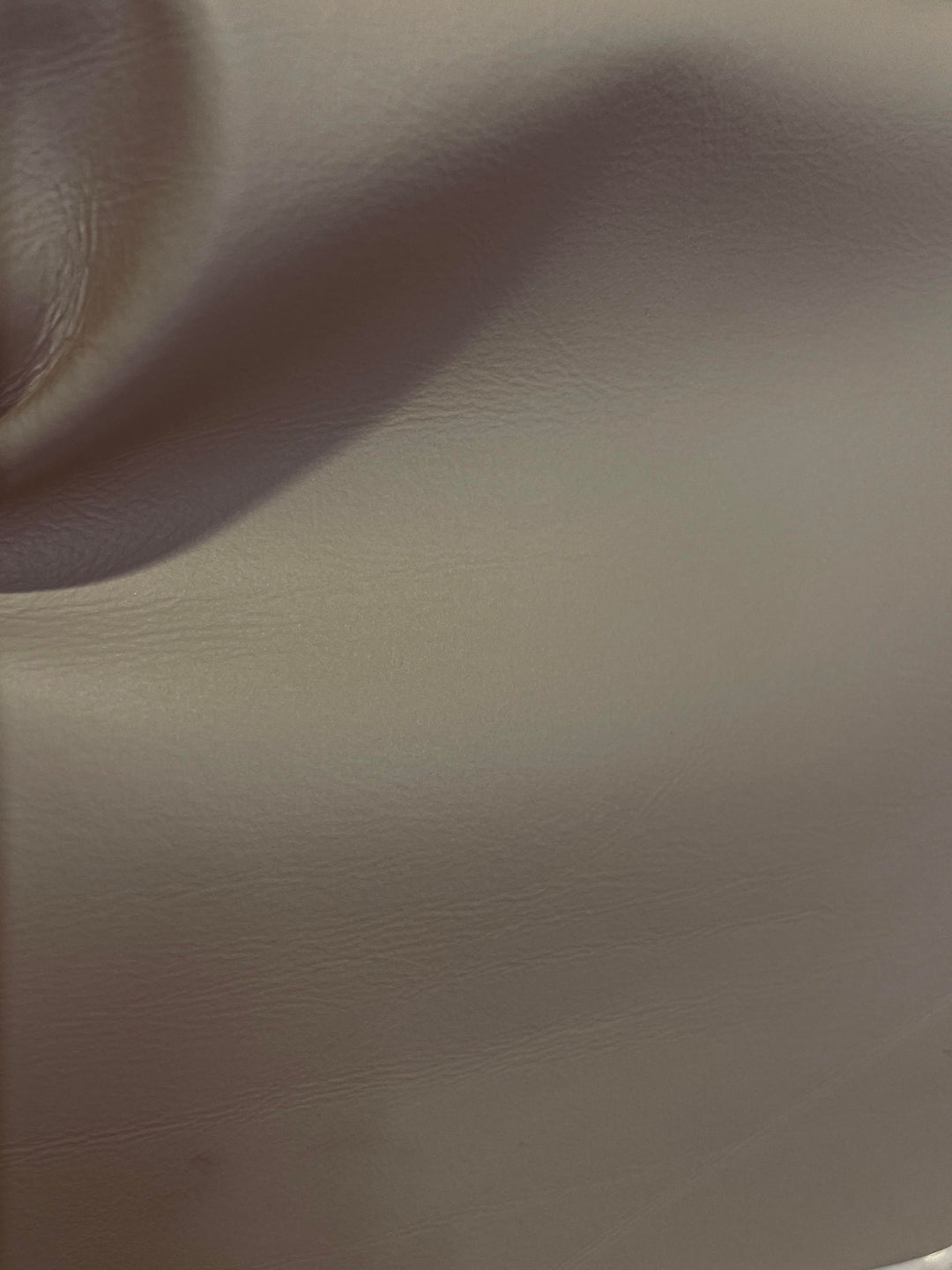
How to clean leather furniture properly
To ensure that your leather looks and feels incredible, we’ve spent years sourcing the highest quality genuine cowhide leathers from far and wide. Our leathers are kept very natural, which means the surface can be porous. Using harmful chemicals to clean your leather or poor general maintenance can damage the leather, causing deterioration and unsightly damage. To keep your leather lasting a lifetime, good leather couch care comes down to a few consistent habits we recommend following:
Avoid using harmful chemicals or sprays
Just like our own skin, leather requires a gentle touch and regular care. If you're wondering how to disinfect a leather couch, the short answer is carefully and with the right materials.
Alcohol-based sanitisers and harsh sprays can dry out and crack genuine leather. We recommend only using Gainsville G-Leather cleaning products. Leather Care Kits, Cleaning Wipes and Moisturisers are available in our showrooms.
Clean and condition your leather regularly
This is probably the best advice we can offer. A regular cleaning regime for your leather furniture will keep it looking and feeling fresh. It’s important to pay closer attention to the areas of your leather that come in contact with your skin or hair. Areas such as headrests, foot rests, lumbar supports or seats are more prone to oil buildup, which, if not cleaned, can cause the leather to deteriorate over time. Give your leather furniture a quick dust once a week, using a soft cloth.
A light vacuum is also recommended once a week, avoiding using rough vacuum heads. Using our G-Leather Wipes once a week on high use areas such as headrests is also a great habit to build into your regular leather sofa maintenance.
Clean up liquid or food spills as soon as possible
We’ve all had that one guest over for dinner that always spills something. It’s part of the joys of enjoying your home and furniture. When it happens (and it most likely will!) clean it off your leather as soon as possible. Leaving a spill on your leather for long will soak into the pores of the natural hide, causing stains that can sometimes be permanent.
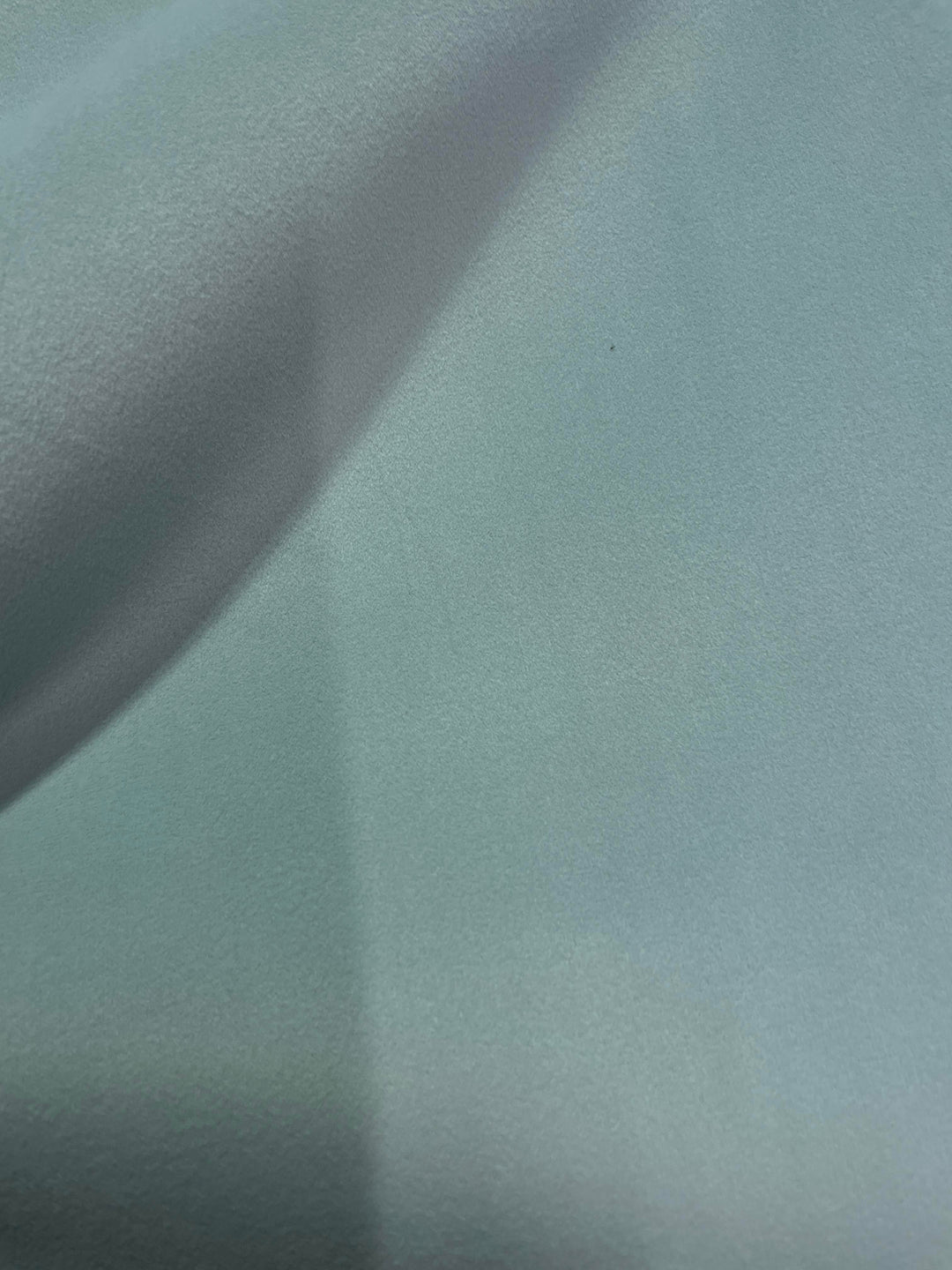
How to care for fabric furniture
Whether you’re after a beach-style woven linen or a luxuriously soft velvet, Gainsville’s huge range of exclusive fabrics offer something to suit every home. Our commercial grade fabrics have gone through a thorough rub test to ensure they are colorfast, durable and resistant to abrasion. We recommend following our tips to ensure the best possible life for your fabric furniture:
Clean and condition your fabric regularly
Just like leather, a regular cleaning regime for your fabric furniture is always advised. Oil build up from your hair or skin can also cause fabric to stain over time, so it’s important to pay closer attention to areas such as seats and headrests, or anywhere that comes in contact with your body. Seek professional advise before steam cleaning your lounge.
Avoid using harmful chemicals or sprays
So you have a stain on your fabric sofa or dining chair. Do not reach for the bleach! Harmful chemicals such as bleaches and solvents can remove the colour from your fabric completely. As with any furniture care, it's worth checking with the experts first. Gainsville can assist you in finding the right spot stain remover or general cleaner. It’s also recommended that you contact a fabric professional before using protective solutions such as Scotch-Guard.
Accept pilling is a normal part of fabric ownership
When enjoying your new fabric lounge or seat, you may come across small balled up fibres, or ‘pills’. Pilling can occur on virtually any fabric, weather it is furniture or clothing, and they are not considered a fault. Pilling can be very easily removed using a Fabric Pill Remover (available at most department stores). Using a Fabric Pill Remover correctly does not damage the fabric.
Keep spills and pets off your furniture where possible
Eating and Drinking on your new lounge is a part of enjoying it. If you’re an avid movie-with-food lover, remember that spills may occur. It’s important to use a super-absorbent towel to soak up food or drink spills as soon as they occur to prevent permanent damage. It’s also recommended that your pets be clean before they join you on the couch.
How to care for timber furniture
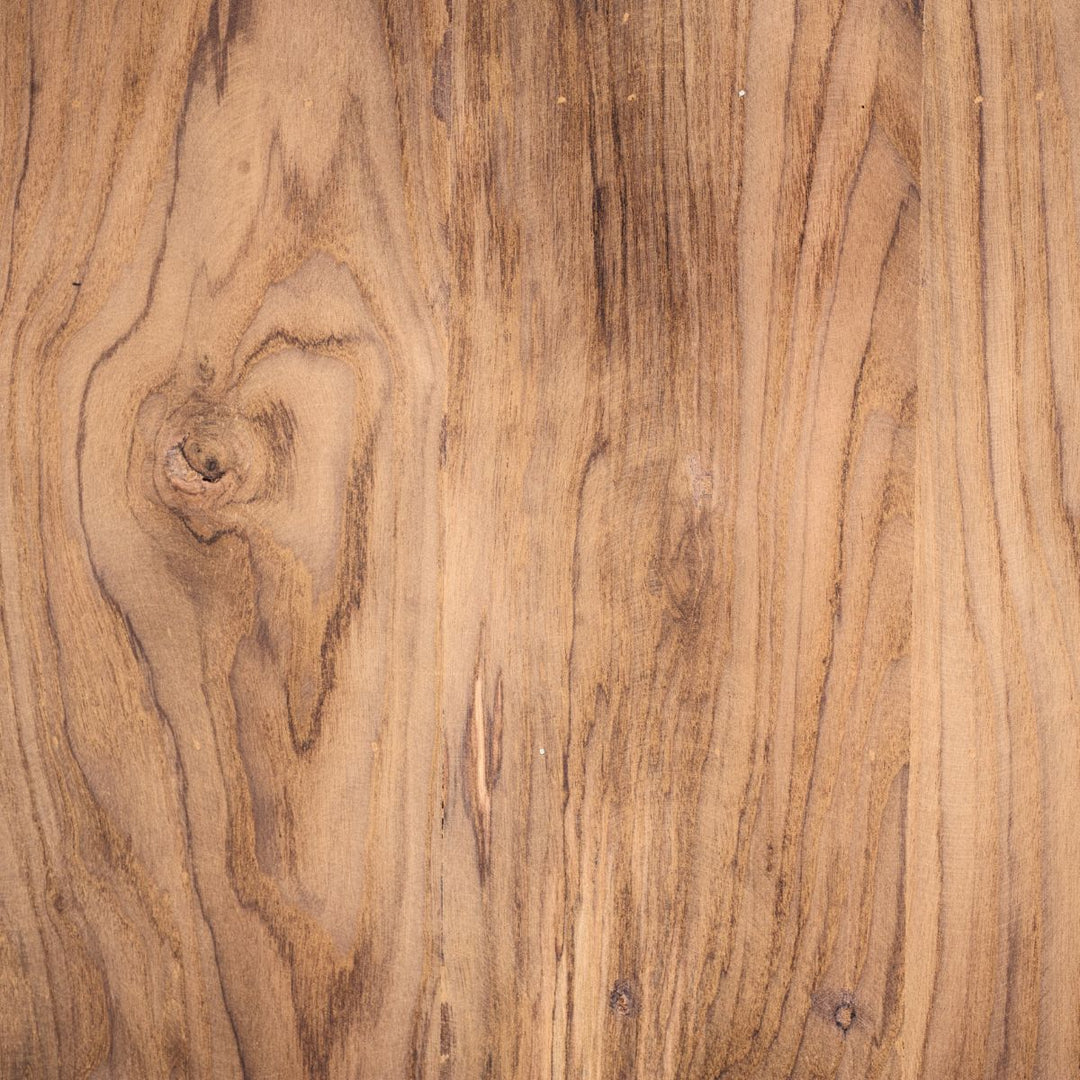
Solid timber is always a stunning addition to your home. Offering warmth and luxury, Gainsville’s American walnut timber is as genuine as it gets. As timber is a natural product, it’s best to follow our advise when caring for it.
Minimise marks and scratching
The most obvious solution to avoid damage to your timber is to use a protector, such as a table cloth or coaster. It’s also important to remember that because timber is a porous product, it can soak up liquids quite quickly. Remove liquid spills as soon as possible to avoid water marks or stains.
Only use cleaning timber-specific cleaning and maintenance products
Using chemicals or harmful cleaners can cause permanent damage to your timber furniture. Our American walnut timber furniture is coated with OSMO Wax Oil, and it’s highly recommended you only use OSMO brand cleaners and oils to care for your timber.
Avoid direct sunlight
Timber, like many other furnishings, can be damaged by sunlight. It’s important to keep your timber furniture away from direct sunlight where possible to avoid fading, or the timber drying out.
Apply regular maintenance
Ongoing maintenance for your timber furniture is highly recommended to keep your timber surface in the best condition. Use OSMO General Wax Cleaner once a week in your timber furniture care routine, as well as OSMO Wax Oil Spray once a month is a great regime for your furniture. Your timber top can also be lightly sanded, and re-oiled once every 12 – 18 months, or when required.
How to care for stone furniture
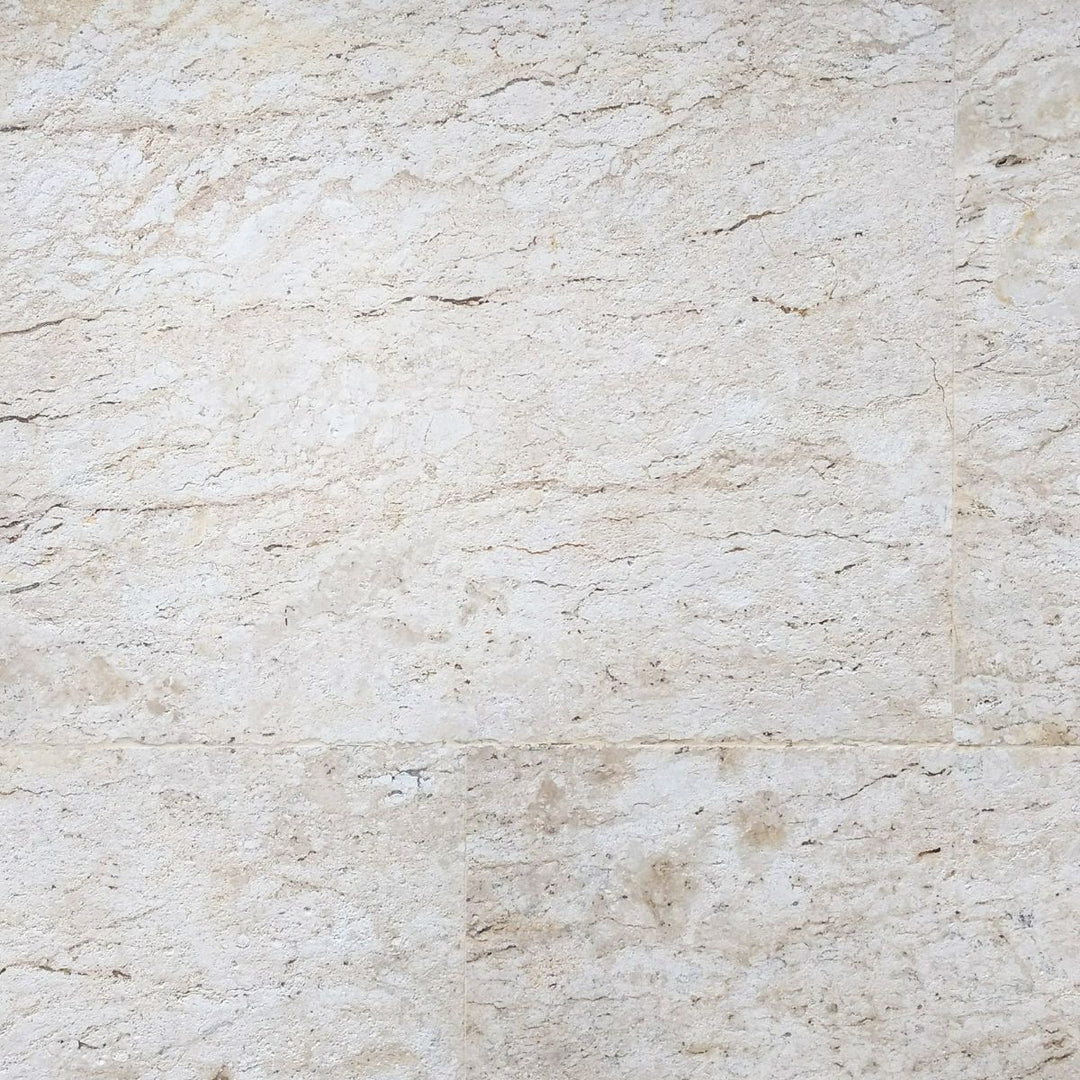
Exclusive to Gainsville, our Italian-made Venato and Concordia porcelain is quite easy to maintain. Although our Italian porcelain surfaces are very durable, there are some tips to keep in mind to ensure it lasts a lifetime.
Minimise marks and scratching
Although Venato and Concordia stones are not very porous, it’s still recommended to remove spills as soon as possible to prevent damage. Liquids such as wine or those high in dyes are especially important to remove. It’s also recommended to use coasters and placemats to avoid scratching your porcelain surface.
Some water and a soft cloth is enough
Venato and Concordia stone is very easy to clean. Unless instructed by a professional, you should not use harsh chemicals to clean. Just apply some water to a cloth, wring it out, and wipe down the surface after use.
Keep your furniture looking its best for years to come
Different materials need different products, but the underlying habits that protect them are largely the same. Most of the advice in this furniture care guide comes down to a short list of dos and don'ts. Keep them in mind regardless of what your furniture is made from:
Do:
- Dust and vacuum lightly on a weekly basis
- Act on spills immediately, not "in a minute"
- Use only products made for the specific material
Don't:
- Reach for bleach, solvents or general household sprays
- Leave furniture in direct sunlight for extended periods
- Wait for a deep clean to address something that happened weeks ago
When it comes to furniture care, consistency matters more than any single fix. Staying on top of these habits protects the piece far better than an occasional deep clean once something's already gone wrong.
Need help with furniture care?
Our team is always on hand to help with product recommendations, cleaning advice or general maintenance questions. Visit us in-store at Southbank, Nunawading or Thomastown, or contact us online — we're happy to help keep your Gainsville furniture looking its best with our maintenance products or tips.
FAQs
Only use genuine leather-specific products, as general household cleaners or sprays can strip natural oils and damage the surface over time. Gainsville's G-Leather Cleaning Kits, Wipes and Moisturisers are designed specifically for our leathers and are available in-store.
Start with a soft and dry cloth to dust weekly, followed by a light vacuum on high-use areas like seats and headrests. For a deeper clean, use a leather-specific cleaner rather than a general household product, and always test on a small, hidden area first. This routine is the core of proper leather sofa maintenance and keeps the hide from drying out or cracking prematurely.
Act quickly. Blot (don't rub) the spill with a clean, absorbent cloth as soon as it happens. On leather, a lingering spill can soak into the pores and stain permanently; on fabric, oils and liquids left too long are harder to lift out. If in doubt, contact us for guidance before using any spot cleaner.
We'd recommend caution. Steam cleaning can affect certain fabrics, particularly more delicate weaves. Seek advice from a fabric professional before steam cleaning your lounge, and always check with us first if you're unsure what your specific fabric can handle.
Where possible, yes. Direct sunlight can fade and dry out timber over time, so positioning timber pieces away from windows — or using curtains or blinds during peak sun — helps preserve both the colour and the finish.
Your timber top can be lightly sanded and re-oiled every 12–18 months, or sooner if it starts to look dry or dull. Pairing this with weekly OSMO General Wax Cleaner and a monthly OSMO Wax Oil Spray will keep the surface protected in between.